common problems
contact details
 Ollies (Guangzhou) Recreation and Sports Equipment Co.
Tel: (020) 82686289
Fax: 020-82694853
Headquarter: No.31-37, Xincun 2 Road, Shangjiang North Street, Dongzhou Village, Xintang Town, Zengcheng City, Guangzhou, Guangdong, China
How to Keep Fish Pond Water Clear
The key to keeping the water in your fish pond clear is to establish a stable ecological balance system.
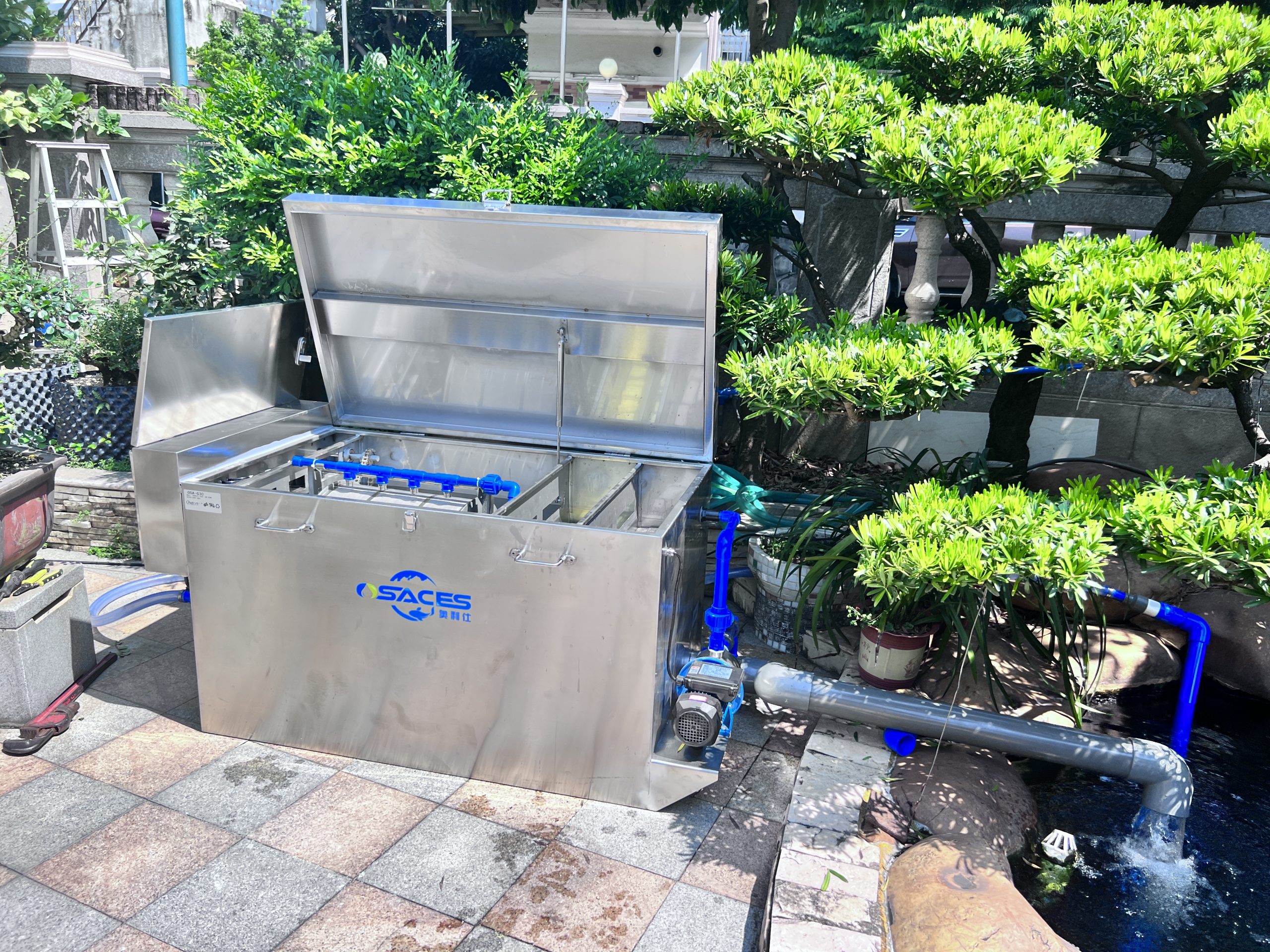
First of all, to solve the physical turbidity problem, the installation of multi-stage fish pond filtration device is the foundation. Drum or brush warehouse as the first line of defense, can effectively intercept fish waste, feed residues and other large particles of impurities, it is recommended to choose the aperture in 0.5mm or so of stainless steel filter, both to ensure filtration effect and easy to clean. Sedimentation bin design should follow the "slow in and fast out" principle, through the extension of the water flow path to allow full settlement of suspended solids. Add brush in the filtration system can significantly improve the capture rate of fine particles, experiments show that the diameter of 10cm brush area can make the filtration efficiency of 40%.

Biochemical filtration is central to maintaining water clarity
Nitrifying bacteria need plenty of space to live, and the K1 fluidized bed and volcanic rock filter media are the best choices. 1 cubic meter of K1 filter media has a surface area equivalent to two standard tennis courts, which provides a wide "living space" for nitrifying bacteria. It is important to note that the biochemical system requires a 2-4 week maturation period to start up, during which time feeding should be controlled to avoid sudden increases in ammonia and nitrogen concentrations. Regular testing of water quality parameters is crucial, the ideal indicators are PH value 7.2-8.0, ammonia <0.02mg / L, nitrite <0.1mg / L. When nitrite suddenly increased, this is the system imbalance warning signals.

Algae control requires integrated management
Ultraviolet sterilizer can effectively kill free algae spores, but to choose the right power, usually 3-5 watts of UV lamps per ton of water configuration. Plant purification is a natural solution, submerged plants such as goldfish algae can absorb excess nutrients in the water, per square meter of water surface planting 5-8 plants is appropriate. Shade management should not be ignored, the use of 60% shading rate of sun screen in summer, 4-6 hours of shade per day can significantly inhibit the growth of algae. There is a practical tip: in the pool planting weeping willow and other trees, both shade and add landscape effect.
The design of the circulation system directly affects water quality
The water pump flow rate should be scientifically calculated, generally according to the total amount of water body 1-1.5 times per hour circulation is appropriate. When installing, pay attention to the location of the inlet and outlet, it is best to form a diagonal circulation to avoid dead water areas. Inverter pumps save more than 30% energy than traditional products and provide a more stable water flow. Special attention should be paid to winter maintenance. Although fish activity is reduced, the filtration system still needs to run continuously, and the flow rate can be adjusted to about 60% in summer.

Maintenance will be easy once the ecological balance is established
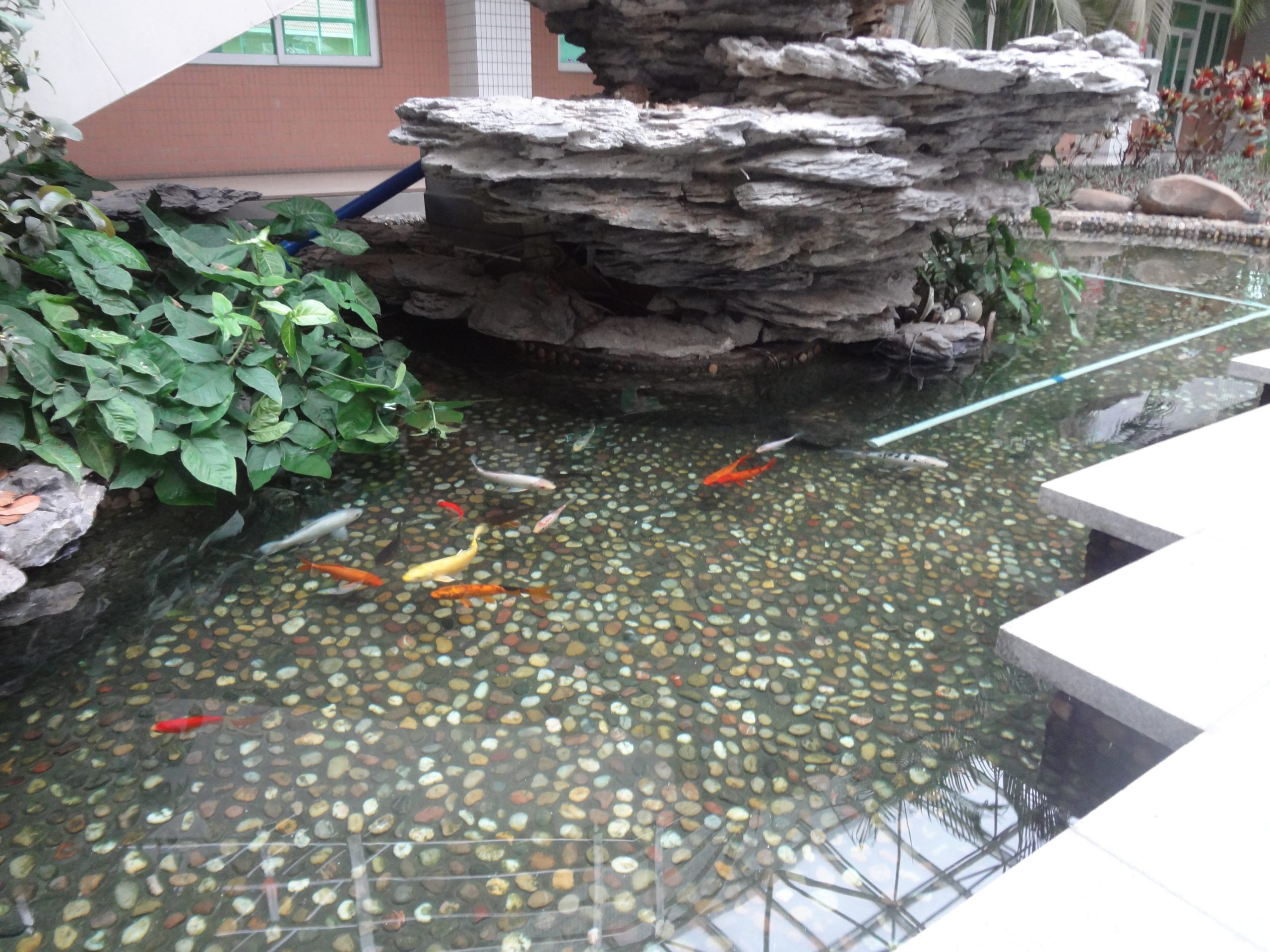
A mature fish pond ecosystem should have the ability to self-purify, at which time the frequency of water change can be reduced to 10%-15% per month.The sign of judging whether the system is mature or not is: under direct sunlight, you can clearly see the coins in the deep water of 30cm, and the water emits a light and fresh scent. Remember, clarity is not the goal, a stable and healthy ecological environment is the ultimate pursuit. By regularly observing fish status and water quality changes, and adjusting your management strategy in time, your fish pond will be able to maintain crystal clear all year round.
Related content
- 锦鲤的季节性充血应该如何预防?
- 春季鱼池过滤的注意事项
- 春节后别急着投喂!锦鲤肠胃的“重启指南”,喂对才能安全“出关”
- 从“勤换水”到“稳生态”:鱼池过滤观念的理性回归
- 全自动鱼池过滤器和普通鱼池过滤器的区别
- 养鲤干货:冬天一到,高手都在做这 3 件事!
- Fish Pond Filter Material Replacement Considerations
- 从零养鱼全攻略:用心经营一方水的生命力
Well-Known Case





 English
  Chinese
  Russian
  Spanish
  Portuguese
  German
  French
  Italian
  Japanese
  Korean