common problems
contact details
 Ollies (Guangzhou) Recreation and Sports Equipment Co.
Tel: (020) 82686289
Fax: 020-82694853
Headquarter: No.31-37, Xincun 2 Road, Shangjiang North Street, Dongzhou Village, Xintang Town, Zengcheng City, Guangzhou, Guangdong, China
Don't let the river and lake "lose color"! 3 steps to find the ecological code of clear water and green shores
The ecological damage of natural water bodies (rivers and lakes) is a global environmental problem, the causes of which are complex and involve natural, man-made and other multi-dimensional factors, ecological restoration needs to follow the "diagnosis of the cause of the disease, and then precise measures" principle, combined with the wholeness of water ecosystems, correlation of systematic management.
I. Core causes of ecological damage to natural water bodies
The natural water ecosystem consists of "Water - Substrate - Organisms (microorganisms, plants, animals) - Surrounding land", and any imbalance in any of the links will trigger a chain reaction, and the causes of damage can be categorized intohuman factorrespond in singingnatural adjunctThe human factor is the main driver.
(i) Anthropogenic-driven factors: a central trigger for ecological damage
- Pollution inputs: direct causes of "poisoning" of water bodies,
Pollution is the primary cause of eutrophication of water bodies and decline in biodiversity, and consists of three main categories:
- point source pollution: Concentrated pollution from fixed outfalls, such as untreated direct discharge of industrial wastewater (containing heavy metals, organic matter, acid and alkaline substances) and urban domestic sewage (containing nitrogen, phosphorus, detergents, antibiotics), leads to a sudden drop in dissolved oxygen in the water body and an accumulation of toxic substances (e.g., excessive heavy metals can lead to fish deaths and extinction of benthic organisms).
- surface pollution: decentralized pollution without fixed outfalls is the main source of pollution of water bodies in agricultural areas and new urban areas, including: agricultural surface sources: chemical fertilizers (nitrogen, phosphorus), pesticides (organophosphorus, herbicides) converge into the water body through rainfall, triggering the growth of cyanobacteria and green algae (e.g., the Taihu Lake Cyanobacteria Crisis); urban surface sources: surface runoff carries road dust, automobile exhaust pollutants, leachate of domestic garbage, and nutrients from the excessive application of fertilizer to the green belt into the water body. Nutrients from over-fertilization of green belts enter the water body;
- endogenous pollution: Pollutants that have been deposited in the substrate of a water body (e.g., heavy metals left over from historical industrial wastewater, organic matter from domestic sewage) are re-released when the water temperature rises and the water body is disturbed (e.g., from shipping, heavy rainfall), creating "secondary pollution" that maintains the black odor or eutrophication of the water body for a long period of time.
- Changing hydrological patterns: destruction of ecosystem "skeletons"
Human "hardening" of water bodies breaks the natural hydrological rhythms and physical structure, leading to loss of ecological function:
- Stream Hardening / Drainage: The conversion of natural river channels into concrete embankments and straight canals (e.g., "three-sided" river channels in some cities) for flood control, navigation or urban construction has destroyed the attachment substrate for aquatic plants (e.g., aquatic plants are unable to take root), and eliminated the spawning and sheltering places for fish (e.g., shallow beaches and deep pools), resulting in the breakage of the food chain.
- Impact of hydraulic engineering: The construction of reservoirs and locks has blocked fish migration channels (e.g., Chinese sturgeon were unable to migrate for spawning due to the construction of the Gezhouba Dam), while altering the "abundance and desiccation rhythm" of natural runoff (e.g., the drying up of rivers and death of organisms caused by broken streams during dry periods), and destroying the self-purification ability of water bodies.
- Lake enclosure / River reclamation for housing: Direct encroachment on the area of water bodies (e.g., the area of Dongting Lake was reduced from 4,350km² in 1949 to 2,625km² in 2000 due to the enclosure of the lake and the creation of farmland), resulting in a decrease in the storage capacity of the water bodies, the fragmentation of aquatic habitat, and a significant decrease in the stability of the ecosystems.
- Biological disturbances: key drivers of ecosystem "imbalances"
Direct or indirect interference of human activities with the biological communities of water bodies leads to a break in the ecosystem "producer-consumer-decomposer" chain:overfishing: Overfishing of fish (especially algal and benthic fish) leads to loss of control of algae by natural enemies (e.g., cyanobacterial blooms were exacerbated in the Dianchi Pond due to overfishing of algal fish) and destroys the structure of fish populations (e.g., the high proportion of juveniles makes it difficult for populations to recover).invasive alien species: Exotic species introduced by man or spreading naturally are crowding out the living space of native organisms, e.g., water hyacinth: it reproduces very fast and covers the water surface, blocking the sunlight, resulting in the death of submerged plants and the reduction of dissolved oxygen, as well as hindering shipping and water exchange (lakes in many southern provinces of China were once seriously invaded by it); mosquito-eating fish: it ferociously eats the small native fishes and their eggs, resulting in the decline of the native fish populations.Habitat destruction: The cutting of riparian vegetation (e.g., reeds, weeping willows) and the filling of wetlands results in the loss of habitat and feeding sites for birds, insects, and other waterfront organisms, as well as the reduction of pollutant interception by vegetation (e.g., riparian grasses filtering sediment and nutrients from surface runoff).
(ii) Natural co-factors: secondary causes of exacerbated destruction
Natural factors usually "snowball" on top of anthropogenic damage and have less impact on healthy water bodies when acting alone:
- climate change: Warmer temperatures lead to increased evaporation from water bodies (e.g., lakes shrinking in arid areas), while accelerating algal blooms (cyanobacteria grow fastest at 25-35°C); extreme precipitation triggers storm runoff, which flushes more surface-source pollutants into the water body, exacerbating the pollution impact.
- geological evolution: Long-term sedimentation leads to shallow lakes and rivers (e.g., the lower reaches of the Yellow River have become "above-ground rivers" due to sedimentation), the volume of the water body decreases, mobility deteriorates, and self-purification capacity decreases.
II. Core solutions for ecological restoration of natural waters
The core objective of ecological restoration is to "restore the structural integrity and functional stability of water ecosystems", which needs to be combined with multi-dimensional aspects such as pollution control, hydrological restoration, biological restoration, and management safeguards, and to take "treating the symptoms (controlling pollution and improving water quality) + treating the root causes (repairing the ecological chain and enhancing self-regulation ability) " comprehensive measures.
(i) Step 1: Source control and pollution interception -- cutting off pollution inputs and "priming the pump" for remediation
Pollution control is a prerequisite for ecological restoration, if pollution continues to be imported, any restoration measures will be ineffective, need to focus on the "point source, surface source, endogenous" three types of pollution control:
(ii) Step 2: Hydrological and morphological restoration - restoring the "natural skeleton" of a water body
Core measures to provide a suitable environment for living organisms by modifying hardened shorelines and restoring natural runoff include:
- Shoreline ecological transformation
Common techniques for removing concrete embankments in favor of "flexible shorelines" include:ecological berm: Use materials such as gabions (filled with rocks), grasscrete, and wood piles to retain the permeability and porosity of the shoreline (e.g., Hangzhou Xixi Wetland uses wood piles + reeds to protect the shoreline, and fish can perch in the interstices of the piles);Revegetation of riparian zones: Planting of water-supporting plants (reeds, balsams), wet shrubs (weeping willows, willow) and trees (sequoia, pond fir) along the shoreline to form a three-dimensional vegetation zone of "trees - shrubs - herbs", which stabilizes the shoreline and provides habitats for living organisms. - Restoration of river/lake morphologyRestoring the natural bending form: transforming the straight canalized river into a "curved flow" to increase the flow path and retention time of the water body (to enhance self-purification ability), and at the same time, forming shallows and deep pools (e.g., the transformation of Beijing's Turning River, which has changed a 1.6km straight canal into a curved river, adding three new shallows and two deep pools, and increasing the number of fish species from three to fifteen) Restoring the connectivity of water bodies: removing small sluice gates that block migration, or constructing fish passages (e.g., stepped fish passages, bionic fish passages) to ensure fish migration (e.g., constructing fish passages for migratory fish such as Chinese sturgeon in the Three Gorges Project); replenishing the ecological water volume: ensuring that the water bodies don't dry up in the dry season and maintaining the basic ecological flow (ecological flow usually needs to reach the level of multi-year flow), and transferring water across basins (e.g., replenishment of water to northern lakes in the middle line of the South-to-North Water Diversion Project). Ecological flow (ecological flow usually needs to reach more than 30% of the multi-year average runoff).
(iii) Step 3: Biome restoration -- reconstructing the ecological chain "balancing mechanism"
Organisms are at the heart of the ecosystem, enhancing the ability of water bodies to self-regulate by restoring the synergy of producers (plants), consumers (animals), and decomposers (microorganisms):
- Aquatic plant restoration (producers)
According to the depth of the water body and the degree of pollution, choose native, pollution-resistant, ecologically functional plants to build a "submerged - floating - aquatic" three-dimensional plant community: submerged plants: such as bitter grass, black algae, goldfish algae, can absorb nitrogen and phosphorus in the water body, release oxygen, and at the same time Provide spawning grounds for fish (suitable for water bodies with high transparency, the transparency needs to be > 0.5m); Floating plants: such as water lilies, Nymphaea (to avoid the introduction of invasive species such as water hyacinth), can block the sunlight to inhibit the growth of cyanobacteria, and absorb nutrients from the surface layer of the water body; Water-supporting plants: such as reeds, pandanus, growing in the shoreline in shallow water, can intercept the surface source pollution, and provide a habitat for birds.Note: Avoid overpopulation of a single plant, regular harvesting is required (to take absorbed nutrients out of the water column and prevent secondary contamination from decaying). - Aquatic animal restoration (consumer)
Following the principle of "local priority and food chain matching", fish, benthic animals, birds, etc. are released or protected to control algae and pollutants: fish: release algae-eating fish (e.g., bighead carp and silver carp, to control algae with fish), omnivorous fish (e.g., crucian carp, to consume organic (e.g., bighead carp, "algae control by fish"), omnivorous fish (e.g., crucian carp, feeding on organic debris), and overfishing is prohibited (establishment of closed season and closed area); benthos: put in snails (e.g., snails, feeding on algae and organic debris), mussels (e.g., mussels, filtering and feeding on plankton to improve water quality), shrimps (providing bait for fish to enrich the food chain); riparian organisms: protect birds (e.g., egrets, mallard ducks), and insects (e.g., dragonfly larvae), and enhance biodiversity through the construction of bird islands and artificial bird nests. Biodiversity. - Microbial fortification (decomposers)
Microorganisms are the core force of organic matter degradation in water bodies, and their activity can be enhanced through "exogenous addition + local cultivation": add functional microorganisms: such as photosynthetic bacteria, bacillus, to accelerate the degradation of ammonia nitrogen and COD (suitable for emergency management of black odor water bodies); build microbial carriers: place bio-fillers (such as elastic filler, Volcanic rock) to provide attachment surface for microorganisms and form "biofilm" (e.g., setting up bio-floating island in the river, microorganisms on the filler can purify the water quality continuously).
(iv) Step 4: Long-term management -- guaranteeing that the restoration results do not rebound
Ecological restoration is a long-term process that requires the establishment of a "government-led, enterprise-responsible, public participation" management mechanism:
- Monitoring and evaluation
Establish a water monitoring network to regularly monitor water quality (COD, ammonia nitrogen, total phosphorus), biodiversity (fish species, plant cover), and hydrological situation (flow rate, water level) to assess the effectiveness of the restoration and adjust the program in a timely manner. - Regulation and Enforcement
Improve the regulations on the protection of water bodies (such as the Regulations on the System of River and Lake Chiefs), implement the responsibilities of the "river and lake chiefs", and crack down on illegal sewage discharge, enclosure of lakes to make fields, and overfishing. - public engagement
Through publicity and education (e.g., environmental protection lectures, volunteer activities for water body protection), enhance public awareness of environmental protection, and encourage public participation in water body inspection and garbage cleanup (e.g., Zhejiang's "Civilian River Chief" system, which mobilizes public participation in river monitoring). - Intelligent Management
Utilizing IoT and big data technologies, building a "smart river and lake" platform (e.g., real-time monitoring of water quality sensors, satellite remote sensing to monitor the area of the water body) to achieve dynamic regulation and precise management of water bodies.
III. Summary of key principles of restoration
- The principle of wholeness: Restoration needs to integrate "water - substrate - organisms - surrounding land" to avoid focusing only on water quality improvement while neglecting biodiversity and hydrological patterns;
- the principle of localization: Prioritize native species and avoid invasive alien species;
- The principle of gradual and orderly progress: Implement in phases from "pollution control" to "morphologic restoration" to "bioremediation" and do not rush the process;
- Principles of adaptive management: Adapt the program dynamically to changes in the natural environment based on monitoring results (e.g., increased water temperatures due to climate change require adjustments to algal control measures).
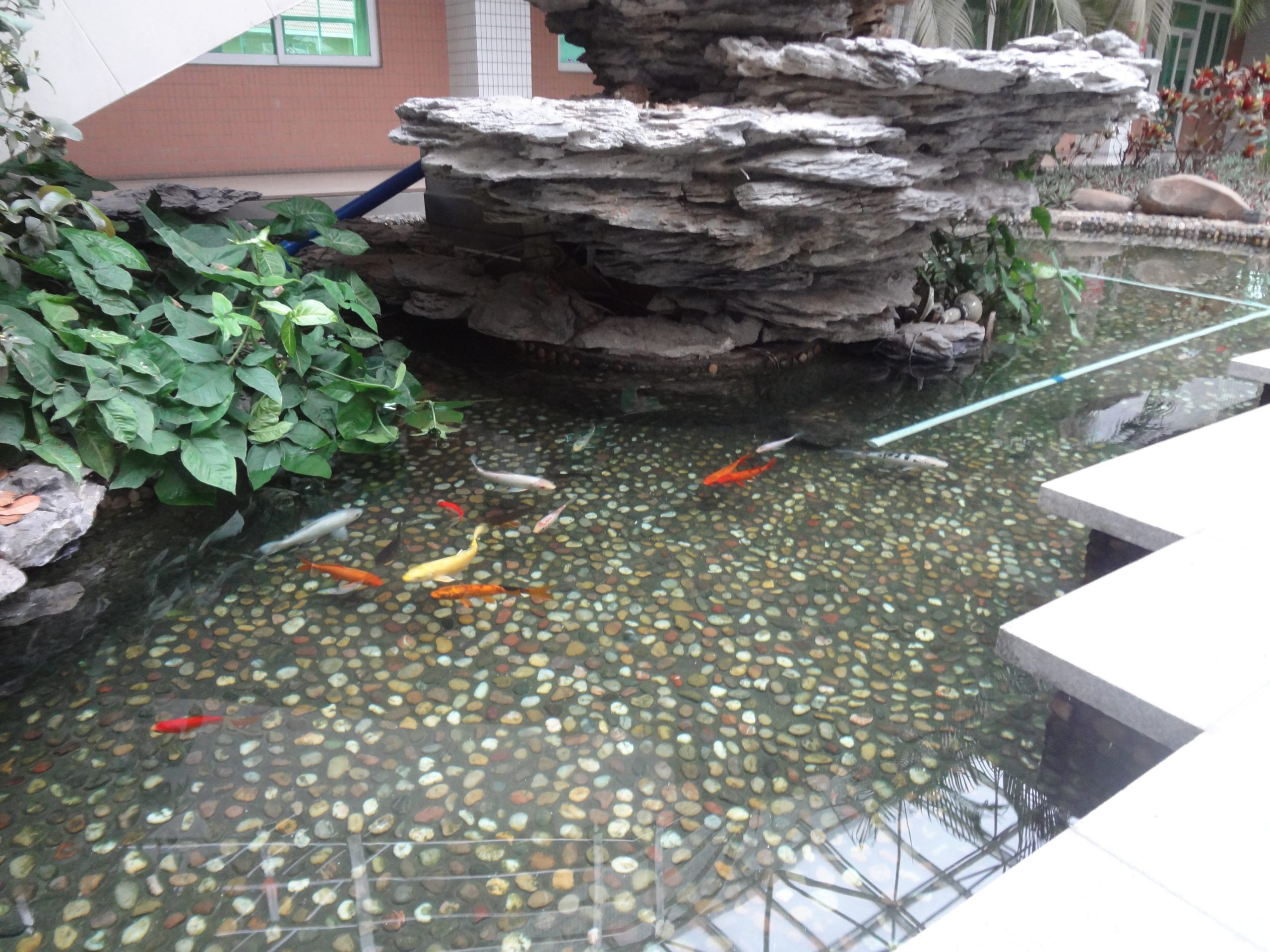
Through the above comprehensive measures, the ecosystem of natural water bodies can gradually restore the state of "clean water quality, biodiversity and stable function", and ultimately realize the ecological goal of "clear water and green shores, with fish flying in the shallow bottom".
Related content
- 做景观水处理,为什么建议选择有项目积淀的专业厂家
- 地产项目偏爱的镜面涌泉水池,藏着哪些人居魅力?
- 转鼓微滤生化一体机的核心优势
- 做景观水处理,为何建议选择有项目积淀的专业厂家
- 拒绝后期“伤筋动骨”:现代地产镜面水池过滤系统选型
- 建池容易养水难!为什么很多地产水景建成后水质崩溃?
- 景观水池施工必看!前期省过滤系统,后期运维成本极易大幅增加
- 高端地产景观的核心密码:水系造境,净水保值
Well-Known Case



 English
  Chinese
  Russian
  Spanish
  Portuguese
  German
  French
  Italian
  Japanese
  Korean